Plumber in Las Vegas, NV
Las Vegas delivers some of the hardest water in the country — over 300 parts per million from the Colorado River — and summer garage temperatures above 120°F cut water heater lifespan nearly in half. Between hard water scale choking pipes and fixtures, polybutylene failures in 1980s–1990s homes across the valley, and caliche hardpan making underground repairs complex and expensive, plumbing in Las Vegas requires a plumber who understands the specific desert conditions that drive most service calls here. Available 24/7 across Clark County.
Call Now: (888) 718-6568Plumbing Services in Las Vegas
Most plumbing failures in Las Vegas trace back to two forces: the Colorado River's mineral-heavy water and the Mojave Desert's extreme heat. Our services address both, plus the soil and pipe conditions unique to the Las Vegas Valley.
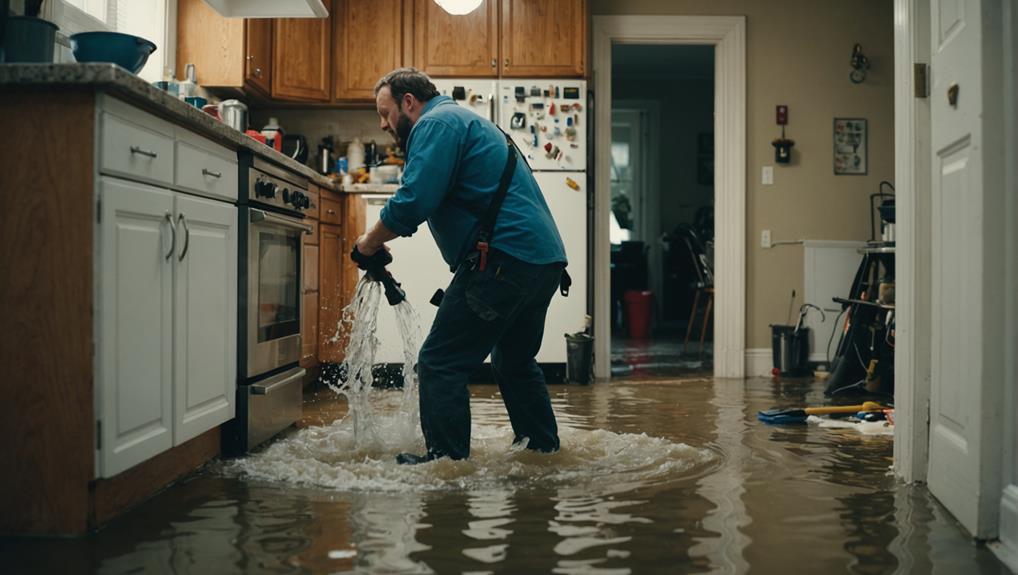
Water Heater Services
Tank and tankless water heater repair, replacement, and maintenance. Las Vegas hard water (300+ PPM) combined with garage temperatures above 120°F in summer reduces water heater lifespan to 6–8 years. We flush sediment, replace corroded anodes, and install units rated for extreme conditions. Clark County permits and inspections ($200–$300) included in every replacement.
Leak Detection & Slab Leaks
Electronic leak detection, thermal imaging, and slab leak repair for homes built on Las Vegas's caliche hardpan and sandy desert soil. Copper pinhole leaks from hard water chemistry and slab movement are among the most common calls in Henderson, Summerlin, and older Downtown Las Vegas neighborhoods. Detection: $150–$400. Repair: $1,500–$4,000+.
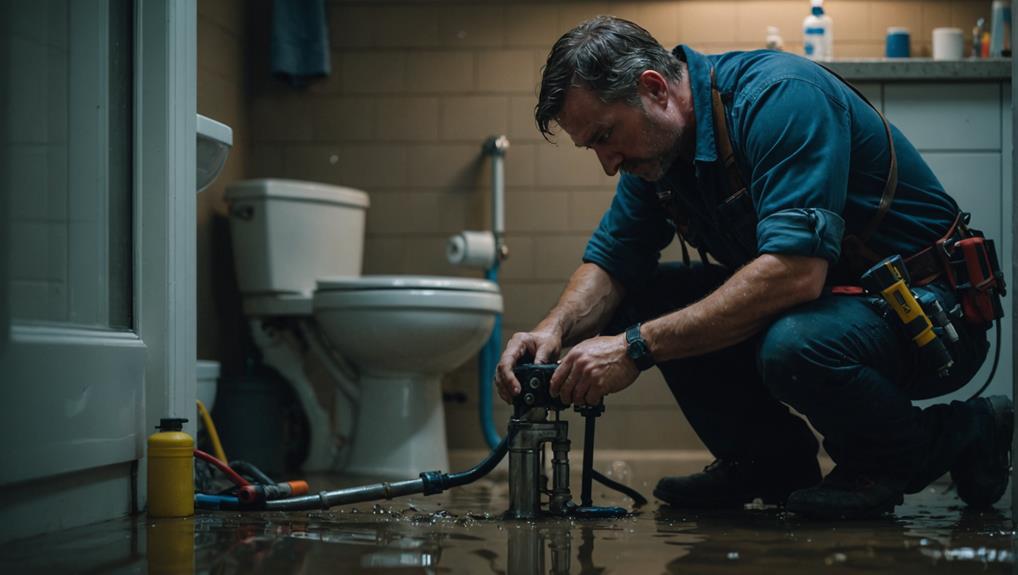
Drain & Sewer Solutions
Camera-assisted drain inspection, hydro-jetting, and sewer line repair. Las Vegas's extreme summer heat causes PVC drain pipes to expand and pull from fittings, creating bellies where debris accumulates. Mineral scale from hard water compounds the problem. Drain clogs and sewer backups spike 40–60% between June and August across the valley.
Las Vegas Hard Water: The Valley's Biggest Plumbing Problem
Las Vegas water comes from Lake Mead via the Colorado River, managed by the Southern Nevada Water Authority (SNWA). As the river flows through hundreds of miles of limestone and mineral-rich geological formations, it picks up dissolved calcium and magnesium — arriving in Las Vegas at over 300 parts per million of hardness. The national average is 120–140 PPM. Las Vegas water is more than twice as hard as what most American cities deal with.
The practical impact on every plumbing system in the Las Vegas Valley:
- Water Heaters
- Scale deposits coat heating elements and line tank walls, reducing a 40-gallon tank's effective capacity by 30–40% over 3–5 years. Combined with garage temperatures of 120–130°F in summer, water heaters in Las Vegas fail 40–60% faster than the national average. Expected lifespan: 6–8 years without treatment, versus 12–15 years nationally.
- Copper Pipe Corrosion
- Hard water's high mineral content causes pinhole leaks in copper pipes, particularly at bends, fittings, and hot water lines. The pressure of mineral-laden water gradually wears through pipe walls, creating slow seeps that enlarge into significant leaks inside walls and under slabs. Copper pinhole leaks are one of the top 3 residential plumbing calls in Las Vegas.
- Fixture and Appliance Damage
- Faucets, showerheads, dishwashers, washing machines, and ice makers develop white scale deposits that clog valves, reduce flow, and shorten appliance lifespan by 3–5 years. The white mineral crust on fixtures throughout Las Vegas bathrooms and kitchens is calcium carbonate from the Colorado River.
- Water Softener Solutions
- Whole-home water softeners ($1,500–$4,500 installed) are not optional in Las Vegas — they are a necessity for protecting your plumbing system. At 300+ PPM, every pipe, appliance, and fixture in an untreated home accumulates scale daily. A softener typically pays for itself within 2–3 years through extended appliance life and reduced energy costs. Salt-free conditioners are available as alternatives where salt discharge is a concern.
How Las Vegas Heat Destroys Plumbing
Las Vegas summer temperatures regularly exceed 110°F, with record highs reaching 120°F. But the real damage to plumbing happens in unconditioned spaces — garages, attics, and exterior walls — where temperatures climb even higher. This is the desert-specific plumbing problem that contractors from other climates don't anticipate.
- Water Heater Stress
- Most Las Vegas water heaters sit in attached garages where summer temperatures reach 120–130°F. Thermostats, pressure relief valves, and gas control valves operate under extreme thermal stress for 4+ months each year. Component failure rates increase 40–60% compared to climate-controlled installations. Moving a water heater indoors or insulating the garage adds years to its lifespan.
- PVC Pipe Expansion
- PVC's thermal expansion coefficient is 5x higher than copper's. When exterior and attic temperatures exceed 110°F, PVC drain pipes expand, pulling away from fittings and creating low spots (bellies) where debris and grease accumulate. This is the primary reason drain clogs spike every summer in Las Vegas — the pipe geometry literally changes with the heat.
- Underground Pipe Stress
- Soil temperatures at 18-inch depth reach 95°F in August across the Las Vegas Valley. This thermal load stresses underground water and sewer lines, particularly at connection points and where pipes pass through caliche layers. The temperature differential between hot soil and cooler water creates condensation inside pipes, accelerating corrosion.
- Summer Demand Surge
- Residential water usage climbs to 350–500 gallons per day for homes with pools and landscaping between June and August — a 75–150% increase over cooler months. This surge strains every component of the plumbing system: supply lines, valves, water heaters, and drain lines all operate at peak load during the hottest months, when materials are already heat-stressed.
What to Expect from a Las Vegas Plumbing Service Call
When you call: Describe the problem — location in the home, when it started, whether water is actively leaking. For emergencies (burst pipes, sewage backups, no hot water), we dispatch immediately. For scheduled service, we provide a 2-hour arrival window and call 30 minutes ahead. Standard service calls run $150–$250 for the trip and initial diagnostic, applied toward the repair if you proceed.
During the visit: The plumber inspects the problem, tests water pressure, and checks water hardness if relevant to the issue. For slab leak detection, expect 1–3 hours using electronic listening equipment and thermal imaging. Standard repairs (faucet replacement, drain clearing, toilet repair) take 1–2 hours. Water heater replacement takes 3–5 hours including Clark County permit filing. Repiping a full home takes 2–4 days.
After the work: All work is pressure-tested and leak-checked before completion. Permitted work (required in Clark County for water heaters, sewer connections, gas piping, and plumbing modifications) includes scheduling the county inspection. You receive documentation of work performed, warranty information, and maintenance recommendations specific to Las Vegas water conditions — especially annual water heater flushing schedules and water softener sizing guidance.
Example Project: Summerlin Water Heater & Softener Upgrade
A 2,400 sq ft home in Summerlin built in 2003 with the original 50-gallon gas water heater in an attached garage and no water treatment — one of the most common combination jobs in Las Vegas.
- Home Type
- 2003 stucco single-story, slab-on-grade, 4 bed/3 bath, attached 2-car garage
- Problem
- Water heater producing lukewarm water and making popping/rumbling sounds. White scale deposits on all fixtures. Low hot water pressure at master bath (measured 28 PSI vs. 55 PSI at meter).
- Root Cause
- 22 years of untreated Las Vegas hard water (tested at 315 PPM at this address) deposited ~3 inches of calcium sediment in the tank bottom. Garage temperature measured 127°F during July service call. Anode rod completely consumed. Hot water supply lines showed 40% interior scale reduction on camera inspection.
- Solution
- Replaced water heater with 50-gallon high-efficiency gas unit with powered anode rod (resists hard water corrosion better than standard magnesium). Installed whole-home water softener (64,000 grain capacity, sized for 4-person household at 315 PPM). Added R-8 insulation blanket to water heater and insulated first 10 feet of hot water pipes.
- Additional Work
- Replaced 3 faucet cartridges frozen by scale buildup and cleared mineral deposits from dishwasher inlet valve
- Timeline
- 1 day: water heater swap (4 hours) and softener installation (3 hours)
- Permits
- Clark County plumbing permit for water heater replacement — passed inspection
- Total Cost Range
- $5,800–$7,500 including water heater, softener, insulation, fixture repairs, and permits
Common Pipe Problems in Las Vegas Homes
Las Vegas's explosive growth from the 1950s through the 2000s means the valley contains homes spanning seven decades of construction methods and pipe materials. Each era brought different materials — and different failure modes accelerated by Las Vegas's hard water and extreme heat.
- Polybutylene (late 1970s–mid 1990s homes)
- Installed extensively in Las Vegas tract homes during the building booms of the 1980s and early 1990s. Chlorine and chloramine in the public water supply cause polybutylene to flake, become brittle, and crack — and Las Vegas's higher-than-average chlorine content accelerates deterioration. Failures are sudden: pipes split without warning, flooding interiors. No longer manufactured or approved by US building codes. Many insurers won't cover homes with polybutylene. A $1 billion class-action settlement (Cox v. Shell Oil, 1995) confirmed the material's defective nature. Repipe to PEX: $4,000–$10,000.
- Copper (1960s–present)
- Standard supply pipe material across Las Vegas. Copper performs well overall but develops pinhole leaks from Las Vegas's hard water chemistry, particularly at bends, fittings, and in hot water lines where mineral concentration is highest. The pressure of 300+ PPM mineral-laden water gradually erodes pipe walls from the inside. Pinhole leaks start as slow seeps into insulation or behind drywall and enlarge over time. Typical lifespan in Las Vegas: 30–50 years for supply lines, less in hot water runs.
- Galvanized Steel (pre-1970s homes)
- Found in older homes in Downtown Las Vegas and East Las Vegas. Galvanized pipes corrode internally with age, producing rust-colored water and progressively lower pressure. Las Vegas hard water accelerates this corrosion significantly. Most galvanized lines over 40 years old have lost substantial internal diameter. Replacement to PEX or copper recommended when water pressure drops below 40 PSI at fixtures.
- PVC Drain Lines (1980s–present)
- Standard drain pipe material in Las Vegas. Generally reliable but uniquely vulnerable to the desert heat: PVC's thermal expansion coefficient is 5x higher than copper's. Summer temperatures cause expansion at fittings and create low spots where debris accumulates, explaining the seasonal spike in drain clogs June through August. UV exposure on any exterior PVC runs causes brittleness and eventual cracking.
Plumbing Service Costs in Las Vegas
Las Vegas plumbing costs reflect the labor market in Clark County plus the additional complexity that hard water, extreme heat, and caliche soil add to many jobs. Here is what to budget:
- Hourly Labor Rate
- $95–$175/hour during normal business hours. Emergency surcharge for nights, weekends, and holidays. Most jobs carry a 2-hour minimum.
- Service Call Fee
- $150–$250 — covers trip and initial diagnostic, typically applied toward repair cost
- Drain Cleaning
- $75–$450 depending on severity and location. Simple clogs: $75–$200. Main sewer line: $200–$500. Hydro-jetting: $350–$600.
- Water Heater Replacement
- $1,400–$2,800 installed for tank units (40–50 gallon gas or electric). Tankless: $3,500–$6,300. Hybrid heat pump: $2,900–$5,200. Add $200–$300 for Clark County permits and inspections (required).
- Slab Leak Repair
- $1,500–$4,000+ — detection ($150–$400) plus repair via spot access, reroute, or epoxy lining. Caliche excavation adds cost when underground access is needed.
- Whole-Home Repipe
- $4,000–$10,000 — replaces all supply lines (polybutylene, galvanized, or corroded copper to PEX). Price varies by home size, fixture count, and accessibility through caliche.
- Water Softener Installation
- $1,500–$4,500 — whole-home unit sized for Las Vegas's 300+ PPM hardness. Higher-capacity units required here than in most markets. Annual salt costs: $100–$250.
- Faucet/Fixture Replacement
- $150–$400 per fixture including parts and labor. Scale-frozen cartridges and valves are the most common reason for fixture replacement in Las Vegas.
Plumbing Service Areas Across Las Vegas
Las Vegas Valley plumbing challenges vary by neighborhood age, construction era, elevation, and proximity to the caliche layer. Here is what we commonly encounter across the metro area:
- Summerlin (89128, 89134, 89138, 89144)
- 22,500-acre master-planned community on the west side with higher elevation and slightly cooler temperatures. Homes range from 1990s to present. Older sections (1990s) may have polybutylene supply lines. Higher elevation means slightly lower water pressure from SNWA — pressure-reducing valve (PRV) issues are less common here than in lower valley locations. Well-maintained HOA communities but hard water damage is universal.
- Henderson & Green Valley (89011, 89012, 89014, 89015, 89052, 89074)
- Nevada's second-largest city in the southeast valley. Mix of 1990s–2000s tract homes and newer master-planned communities. Green Valley has top-rated schools and high home values. Common issues: copper pinhole leaks in homes 20+ years old, water heater failures in unconditioned garages, and hard water scale throughout. Some older Henderson areas have galvanized supply lines requiring replacement.
- North Las Vegas (89030, 89031, 89032, 89084)
- Fastest-growing area in the valley with a mix of older residential stock (1960s–1980s) and brand-new subdivisions. Older areas have galvanized pipes and some polybutylene. Newer developments are PEX with modern fixtures but still face Las Vegas's universal hard water challenge. Lower home prices mean many homeowners defer water softener installation, accelerating pipe and appliance degradation.
- Downtown Las Vegas & East Las Vegas (89101, 89104, 89106)
- The oldest housing stock in the valley — 1950s–1970s construction with original galvanized supply lines, cast iron drain lines, and aging copper. Many homes have never been repiped. Foundation settling on desert soil creates chronic slab leak conditions. These neighborhoods generate the highest per-home plumbing service volume in the valley.
- Spring Valley & Enterprise (89103, 89113, 89117, 89118, 89148)
- Southwest Las Vegas near the Strip, with the vibrant Chinatown district along Spring Mountain Road. Mix of 1980s–2000s residential and commercial properties. Polybutylene is common in 1980s–1990s homes. Commercial properties face additional hard water challenges with high-volume fixtures and equipment. Pool plumbing service demand is high in these areas.
- Mountains Edge, Centennial Hills & Aliante (89141, 89143, 89149, 89084)
- Newer master-planned communities (2000s–present) with modern PEX plumbing and updated fixtures. Hard water remains the primary issue — even new homes develop scale without treatment. Water heater placement in garages is standard in these developments, subjecting every unit to summer heat stress from day one. Drip irrigation system maintenance and pool plumbing are significant service categories.
Full service area covers zip codes 89101–89199 across Clark County, including Boulder City, Pahrump, and all Las Vegas Valley communities.
Plumbing Maintenance for Las Vegas Desert Conditions
Preventive maintenance is more critical in Las Vegas than almost any other US city because hard water and extreme heat create a dual-stress environment that compounds silently. A basic maintenance schedule prevents the most expensive emergency calls.
- Flush your water heater every 6 months — Not annually, as recommended in moderate climates — every 6 months in Las Vegas. Drain 5–8 gallons from the tank drain valve to remove mineral sediment. At 300+ PPM hardness, sediment accumulates twice as fast here as in average-hardness cities. Semi-annual flushing can extend water heater life by 2–4 years.
- Inspect your water heater's anode rod annually — The anode rod sacrifices itself to protect the tank from corrosion. In Las Vegas hard water, anode rods may be consumed in 2–3 years instead of the typical 4–5. A powered anode rod ($100–$200) lasts indefinitely and is the single best upgrade for Las Vegas water heaters.
- Monitor water pressure seasonally — Attach a gauge to a hose bib and compare readings. Hard water scale narrows pipes over time, gradually reducing pressure. A sudden pressure change may indicate a leak. SNWA pressure varies by elevation across the valley — know your baseline.
- Clean faucet aerators and showerheads monthly — Monthly, not quarterly as recommended elsewhere. Las Vegas hard water clogs aerators and showerheads far faster than the national average. Soak in white vinegar for 2–4 hours to dissolve calcium. Replace annually if flow doesn't recover.
- Schedule a pre-summer plumbing inspection — Before June, have a plumber check water heater condition, inspect visible pipes for expansion damage, clear drain lines, and verify PRV operation. The goal is to catch developing problems before the June–August heat spike pushes stressed components to failure.
- Know your pipe materials and age — If your Las Vegas home has polybutylene (late 1970s–mid 1990s), galvanized steel (pre-1970s), or copper over 30 years old, schedule a professional pipe assessment. In Las Vegas conditions, these materials have shorter effective lifespans than national averages suggest.
How to Choose a Plumber in Las Vegas
Choosing a plumber in Las Vegas means verifying Nevada-specific credentials and confirming the plumber understands the hard water, extreme heat, and caliche soil conditions that make Las Vegas plumbing different from every other market.
- Verify Nevada State Contractors Board licensing — Every plumber in Nevada must hold a valid license. For plumbing work: C-1 (Plumbing and Heating) or C-1D (Plumbing only). Business owners need a Class C Specialty Contractor license. Verify at nvcontractorsboard.com. Journeyman Plumbers need 4 years / 8,000 hours of documented experience. Unlicensed work voids warranties and may not pass Clark County inspection.
- Confirm Clark County permit knowledge — Clark County requires permits for water heater replacement, sewer connections, gas piping, and plumbing modifications. A plumber who tries to skip permits is cutting corners that will cost you at resale inspection. Permit costs ($200–$300 for water heaters) should be included in every quote.
- Ask about hard water experience — A qualified Las Vegas plumber should know the valley's PPM range, recommend appropriate water softener capacity for your household size, and understand how hard water affects every component they touch. If a plumber doesn't mention hard water in Las Vegas, that is a major knowledge gap.
- Request itemized written estimates — Estimates should separate material costs, labor hours, permit fees, and any diagnostic charges. Avoid lump-sum quotes without itemization — this is where hidden costs appear, especially on complex jobs like repiping through caliche.
- Confirm 24/7 emergency availability — Burst pipes, water heater failures in 120°F garages, and sewer backups don't wait for business hours. Verify true emergency dispatch capability and understand the after-hours rate structure before you need it.
Get a Free Plumbing Estimate in Las Vegas
Every estimate starts with a diagnostic assessment of your plumbing system, water pressure, hard water conditions, and pipe material identification. We provide detailed, itemized quotes covering labor, materials, Clark County permits, and timeline. Serving all of Las Vegas Valley including Summerlin, Henderson, North Las Vegas, Spring Valley, Enterprise, Green Valley, Centennial Hills, Mountains Edge, and all Clark County communities.
Call Now: (888) 718-6568Frequently Asked Questions
How much does a plumber cost in Las Vegas?
Las Vegas plumbing services run $95–$175 per hour for labor during normal business hours. Water heater replacement costs $1,400–$2,800 for tank units and $3,500–$6,300 for tankless, plus $200–$300 in Clark County permits. Drain cleaning: $75–$450. Slab leak detection: $150–$400, with repair costing $1,500–$4,000+. Emergency calls carry a surcharge on base rates.
Why is Las Vegas water so hard and how does it affect plumbing?
Las Vegas water comes from Lake Mead via the Colorado River and measures over 300 PPM of hardness minerals — more than double the national average. High calcium and magnesium cause white scale inside pipes, water heaters, faucets, and appliances. Water heaters lose efficiency as sediment coats heating elements, and pipe interiors narrow over time. A whole-home water softener is the most effective solution.
How long do water heaters last in Las Vegas?
Water heaters in Las Vegas typically last 6–8 years — significantly shorter than the 12–15 year national average. Two factors: hard water scale (300+ PPM) coats heating elements and tank walls, and extreme garage temperatures (120–130°F in summer) force components to work harder, accelerating failure by 40–60%. Water heaters in climate-controlled spaces last longer. Annual flushing and anode rod inspection extend lifespan.
Does Las Vegas have polybutylene pipes?
Yes. Polybutylene was installed extensively in Las Vegas homes from the late 1970s through mid-1990s, especially in tract homes. Chlorine in the water supply causes the plastic to flake, become brittle, and crack. Las Vegas's higher chlorine content accelerates deterioration. No longer manufactured or code-approved. Many insurers won't cover homes with polybutylene. Repipe to PEX: $4,000–$10,000.
Do I need a licensed plumber in Las Vegas?
Yes. Nevada requires a license from the Nevada State Contractors Board — C-1 (Plumbing and Heating) or C-1D (Plumbing). Journeyman Plumbers need 8,000 hours of documented experience plus examination. Clark County requires permits for water heater replacement, sewer connections, gas piping, and plumbing modifications. Unlicensed work voids warranties and may not pass county inspection.
How does Las Vegas heat affect plumbing?
Summer temperatures above 110°F cause garage temps to reach 120–130°F, stressing water heater components. PVC drain pipes expand (5x more than copper), pulling from fittings and creating bellies where debris accumulates. Soil at 18-inch depth reaches 95°F, stressing underground pipes. Plumbing failures spike 40–60% between June and August across the valley.
What areas do you serve in Las Vegas?
We serve the entire Las Vegas Valley and Clark County including Summerlin, Henderson, North Las Vegas, Spring Valley, Enterprise, Green Valley, Centennial Hills, Mountains Edge, Aliante, Paradise, and Boulder City. Service area covers zip codes 89101–89199 including Downtown, the Strip corridor, and all master-planned communities.
Should I install a water softener in Las Vegas?
Emphatically yes. Las Vegas water exceeds 300 PPM hardness — more than double the national average. Without treatment, hard water scale reduces water heater lifespan by 4–6 years, narrows pipes, damages appliances, and deposits mineral crust on every fixture. A whole-home softener costs $1,500–$4,500 installed and pays for itself within 2–3 years through extended appliance life and reduced energy costs.
What is caliche and how does it affect plumbing?
Caliche is a calcium carbonate hardpan layer found 1–4 feet below the surface throughout the Las Vegas Valley. It's rock-like and nearly impermeable — the reason Las Vegas homes rarely have basements and are built on slabs. Caliche makes underground pipe repair expensive (requires specialized excavation equipment) and affects drainage, sometimes directing water toward foundations rather than away.
How do Las Vegas water conservation rules affect plumbing?
SNWA enforces strict conservation due to Lake Mead's declining levels. Watering limits: 6 days/week summer, 3 spring/fall, 1 winter. A decorative grass ban takes effect in 2027 for commercial and multi-family properties. New construction prohibits grass and spray irrigation. These rules drive demand for drip irrigation systems, pool water recycling, and low-flow fixture upgrades.